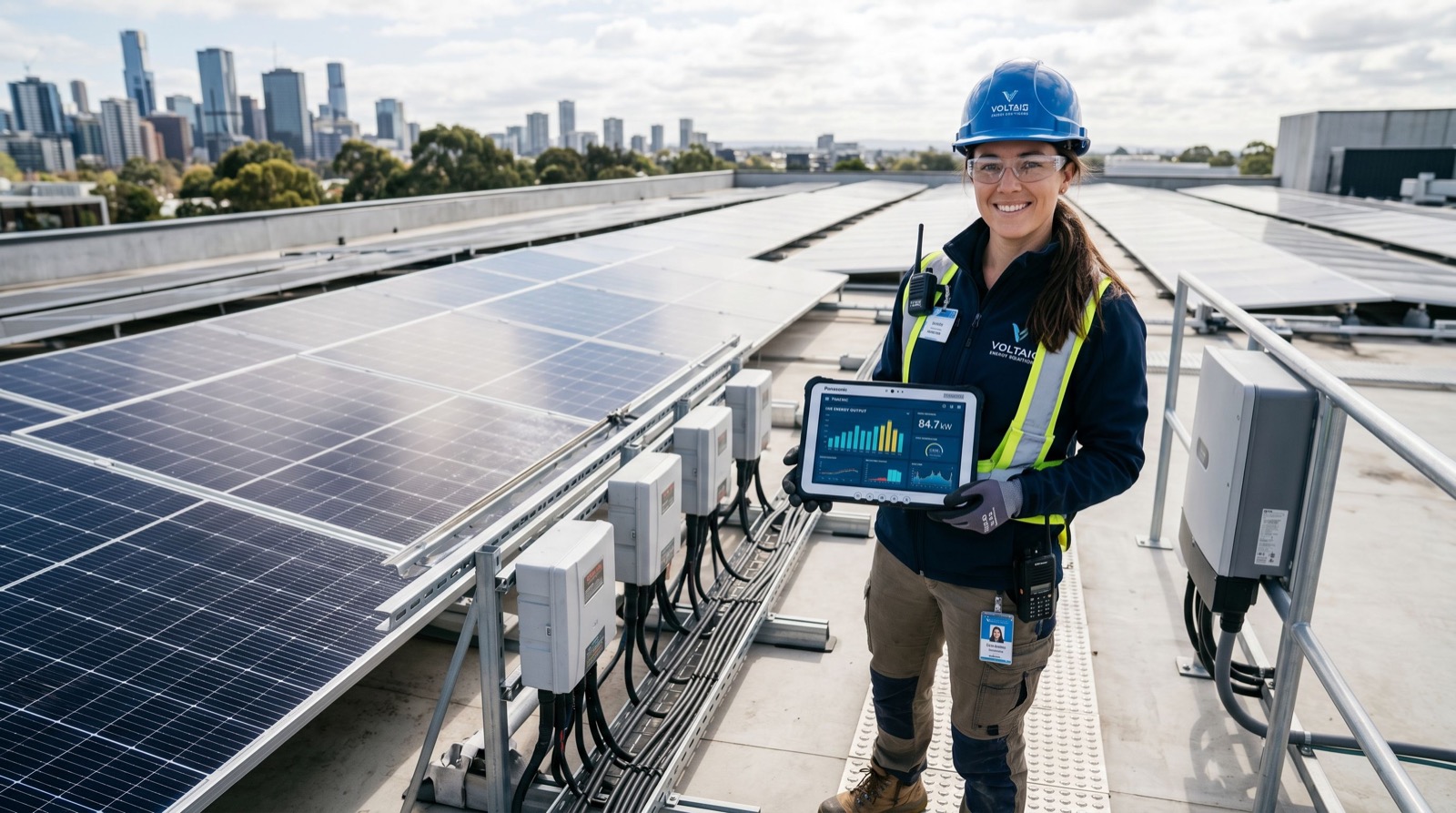

A successful solar installation is far more than bolting panels to a roof and calling it a day. In Khyber Pakhtunkhwa, where rooftops range from flat concrete slabs to sloped tin sheets and summer temperatures push equipment to its limits, the quality of the install decides how much power you actually harvest and how safely that power flows into your home. Two identical systems can perform worlds apart depending entirely on who mounts them and how.
This walkthrough demystifies the entire journey, from the first site visit to the day your meter starts spinning backwards. Whether you are electrifying a family home in Kohat or adding backup to a small shop, understanding each stage helps you ask better questions, avoid costly shortcuts, and know exactly what a professional crew should deliver.
What a Professional Solar Installation Actually Involves
A proper solar installation begins long before any hardware arrives. It starts with a load assessment that measures how much energy your household consumes across a typical day and where those spikes occur. Only then can an engineer size the array, choose the right inverter, and plan the wiring runs that keep losses low.
Skipping this planning stage is the most common reason systems underperform. A crew that shows up with a fixed package and no survey is guessing, and in a region with variable roof angles and heavy afternoon shade from neighbouring buildings, guesswork translates directly into wasted rupees.
The Core Stages at a Glance
- Site survey and shade analysis across the roof.
- Load calculation to size panels, inverter and any batteries.
- Structural check to confirm the roof can bear the mounting weight.
- Mounting, DC wiring, and inverter placement in a cool, ventilated spot.
- Earthing, protection devices, testing and final commissioning.
Preparing Your Home Before the Crew Arrives
Good preparation shortens the install and reduces surprises. Clear the roof of clutter, ensure there is safe access for ladders and equipment, and gather your recent electricity bills so the team can confirm the load estimate against real consumption data.
It also pays to decide early where the inverter and any batteries will live. These components dislike heat, so a shaded, dry indoor wall away from direct sunlight extends their life. Discussing this placement in advance prevents the awkward moment when a crew wants to mount sensitive electronics on a wall that bakes all afternoon.
A Simple Readiness Checklist
- Collect twelve months of electricity bills if available.
- Photograph your roof and note any shading from trees or buildings.
- Confirm your meter type and whether you want net-metering.
- Identify a cool indoor location for the inverter.
- Agree on a written scope covering materials, labour and warranty.
How Long Does a Solar Installation Take?
For a typical residential system, the physical work usually spans one to three days depending on system size and roof complexity. Larger arrays or homes needing structural reinforcement naturally take longer, while the paperwork for net-metering can add a few weeks on top.
Rushing the timeline is a red flag. Proper cable management, tight electrical connections and thorough earthing cannot be hurried without inviting faults down the line. A crew that promises to finish a full system in a single afternoon is almost certainly cutting corners you will pay for later.
| Stage | Typical Duration | What Happens |
|---|---|---|
| Survey and design | 1 to 2 days | Assessment, sizing, quotation |
| Mounting and wiring | 1 to 3 days | Panels, rails, DC and AC cabling |
| Testing and commissioning | Half a day | Safety checks, inverter startup |
| Net-metering approval | 2 to 6 weeks | Utility inspection and paperwork |
Safety, Standards and Net-Metering Compliance
Electrical safety is non-negotiable. A compliant solar installation includes proper earthing, DC and AC isolators, surge protection and correctly rated breakers. These elements protect both your family and your equipment during the voltage swings that are common on local grids.
If you plan to export surplus energy, your system must meet the requirements set by the national regulator. The net-metering rules and approved inverter lists published by NEPRA determine whether your utility will approve the connection, so working with an installer who knows these standards saves weeks of back-and-forth.
Renewable energy adoption across the country is accelerating, and the guidance from Pakistan’s Alternative Energy Development Board offers useful context on how residential solar fits into the national grid. You can review the framework on the AEDB website before finalising your plans for 2026.
The inverter deserves particular attention during compliance planning, because it is the component most often flagged during utility inspection. If you want to keep future options open, discuss battery-ready hybrid units and current solar inverter deals in Pakistan with your installer so the model you choose already sits on the approved list. Selecting a compliant inverter at the design stage spares you a frustrating swap after the paperwork stalls.
Common Installation Mistakes to Avoid
Even good crews slip when rushed or underpaid. The most damaging errors are usually invisible on day one and only surface months later, which is why an informed customer who knows what to inspect is worth a small fortune. Watch for these avoidable pitfalls before you sign off on the work.
- Mounting the inverter in direct sun, where heat shortens its life dramatically.
- Undersized or poorly crimped cabling that wastes energy and risks fire.
- Skipping proper earthing, leaving appliances exposed to surges.
- Ignoring shade from a nearby wall or tree that will grow over time.
- Tilting panels at the wrong angle for the local latitude and losing yield.
Choosing the Right Installer
The hardware matters, but the installer matters more. A skilled crew maximises output through smart panel placement and clean wiring, while a careless one leaves you with loose connections and a system that trips in the heat. Ask for photographs of recent local jobs and speak to past customers where you can.
Look for teams that provide a written warranty covering both workmanship and equipment, and that return for maintenance rather than disappearing after payment. Partnering with trusted professionals who understand KPK rooftops and grid conditions is the single biggest factor separating a system that thrives from one that limps along.
Frequently Asked Questions
How much does a home solar installation cost in Pakistan?
Costs vary with system size, panel quality and whether you add batteries, but softer global prices in 2026 have made residential systems more affordable than a few years ago. A detailed quote after a site survey is the only accurate figure.
Can I add batteries to my solar installation later?
Yes, provided your inverter is battery ready from the start. Telling your installer about future backup plans lets them choose a hybrid inverter now, saving you an expensive swap later.
Will solar work during load-shedding?
A grid-tied system alone shuts off during outages for safety, but a hybrid system with batteries keeps essential loads running. Discuss your backup needs during the design stage so the right configuration is chosen.
Do I need permission for a rooftop solar installation?
For a basic system you generally do not, but exporting power through net-metering requires utility approval. Your installer should handle the application and inspection on your behalf.
Getting Started the Right Way
A dependable solar installation rewards careful planning, honest sizing and skilled hands. Prepare your home, insist on a proper survey, verify compliance with national standards, and choose a crew that stands behind its work. Do these things and your system will quietly pay you back for well over a decade.
Take the first step by requesting a site survey and a transparent, itemised quote. Ask about warranties, net-metering support and maintenance, then move forward with a team that treats your rooftop as a long-term investment rather than a one-day job.