Restaurant owners in Pakistan budget carefully for ovens, fryers, cold storage, and interior fit-outs, then treat communication equipment as an afterthought to be sourced from whichever electronics stall quotes lowest. Six months later, the pattern repeats itself in kitchens from Islamabad to Hyderabad: headsets crackle and die mid-rush, chargers fail, the seller has vanished, and the crew reverts to shouting orders across a noisy kitchen. The cheapest gear, purchased twice or three times, quietly becomes the most expensive.
This guide takes the opposite approach. It treats headsets, timers, displays, and queueing hardware as core operational infrastructure, the nervous system that connects the customer’s mouth to the kitchen’s hands, and walks through how to specify, compare, and buy it for Pakistani operating conditions. Whether you run a single fried-chicken outlet or are standardising equipment across a growing franchise, the same evaluation framework applies.
Map Your Communication Paths Before Shopping
Begin with a pencil, not a catalogue. Sketch every point where an order or instruction changes hands in your restaurant: customer to order-taker, order-taker to kitchen, kitchen to expeditor, expeditor to handout. Each arrow on that sketch is a potential failure point, and each failure point is a candidate for hardware. Outlets with a service window need full-duplex audio between lane and kitchen. Dine-in operations need order screens or printers at stations. Counter-heavy formats need a way to organise the walk-up crowd.
This exercise prevents the most common purchasing mistake, which is buying an impressive component that solves a problem you do not have while the real bottleneck, often the noisy handoff between counter and kitchen, remains untouched.
Headsets: Where Specification Actually Matters
Consumer Bluetooth earpieces and cheap two-way radios fail in commercial kitchens for predictable reasons: they are half-duplex, so only one person can speak at a time; they lack noise cancellation, so exhaust fans drown the audio; and their batteries are not designed for ten-hour shifts, seven days a week. Commercial restaurant headsets are engineered against exactly these conditions, with multi-user full-duplex talk, swappable battery packs, and headbands that survive being dropped on tile daily.
When comparing models, weigh four factors in order: audio clarity in noise, battery ecosystem (spares and chargers available locally), comfort across a full shift, and repairability. A headset that cannot be serviced in Pakistan is a disposable product regardless of its brand pedigree.
Timers and Displays Close the Feedback Loop
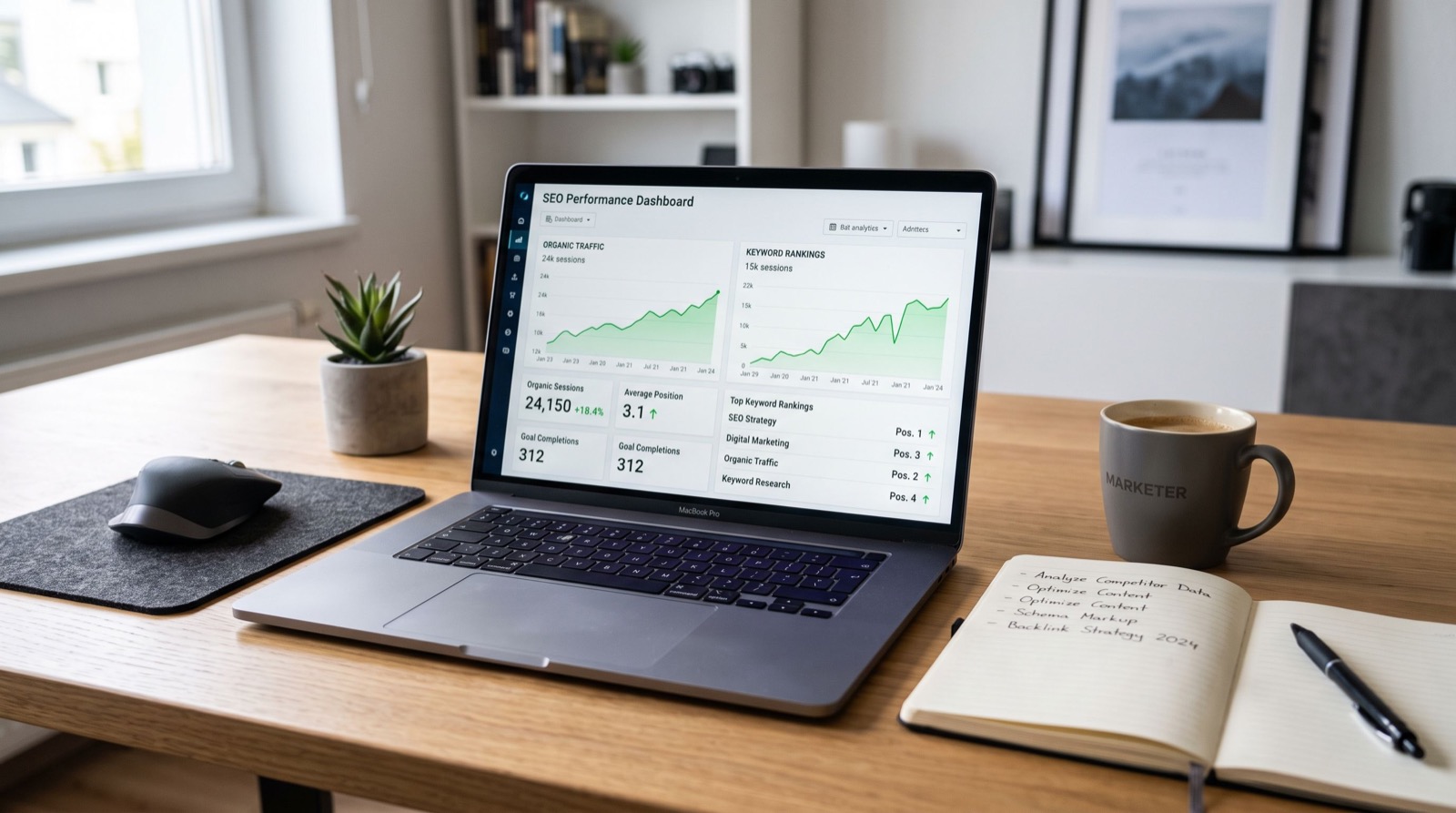
Audio moves the order; timing tells you whether the system works. Service timers that track each transaction from greeting to handout give managers an objective record of peak performance, and mounted displays showing live times keep the whole crew aware of the pace. Customer-facing confirmation screens add a second benefit, letting guests verify their order before the kitchen commits, which cuts remakes at the point where they are cheapest to prevent.
Operators sometimes postpone timers as a later luxury. In practice they belong early in the investment sequence, because the data they produce tells you exactly which subsequent purchases are justified and which are not.
Counter Service Needs Structure Too
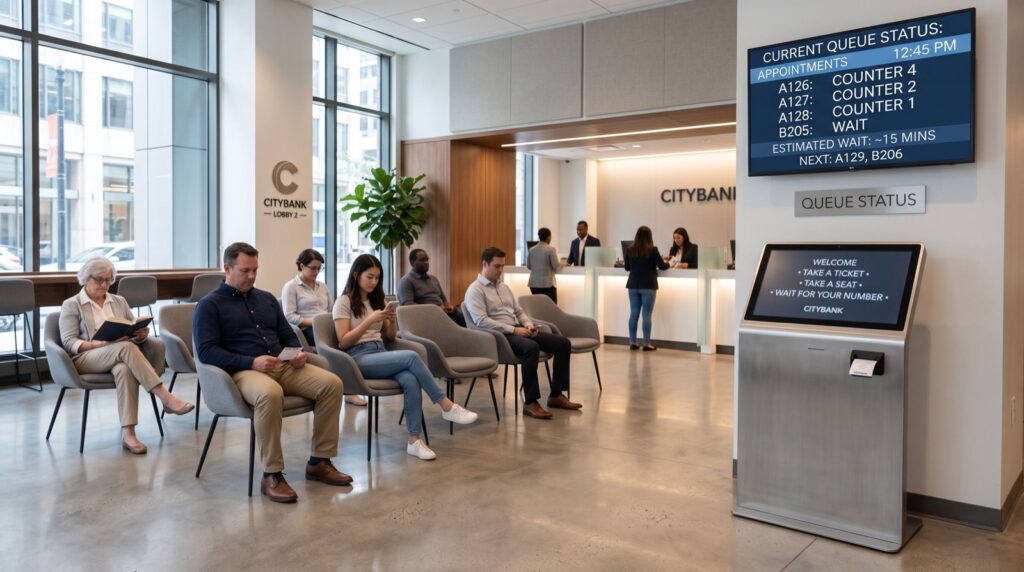
Not every rush arrives on wheels. Dine-in and takeaway counters at busy locations, food courts, and multi-branch bakeries suffer their own version of lane chaos: a pressing crowd, disputed turns, and staff fielding three orders at once. Installing a queue management system in pakistan brings the same order to foot traffic that headsets bring to vehicle traffic, issuing numbered tokens, calling customers to specific counters, and logging service times per station for later review.
The pairing is powerful for mixed-format outlets. When both the window and the counter run on measured, structured flows, managers can finally compare the two channels honestly and allocate staff to whichever is earning more per hour that evening.
Compare Ecosystems, Not Individual Boxes
The global drive-thru hardware market is dominated by a small number of mature platforms, and the smart move is to pick one ecosystem and standardise on it rather than mixing components that were never designed to interoperate. PAR, one of the longest-established names in restaurant technology, is a strong reference point: locally supported PAR Drive Thru solutions combine base stations, headsets, and accessories built to work as a unit, which means one supplier, one spare-parts inventory, and one number to call when something fails on a Friday night.
Standardisation pays compounding dividends for multi-branch operators. Crews transfer between locations without retraining, spares circulate across the network, and volume purchasing improves pricing on every subsequent outlet you open.
Vet the Supplier as Hard as the Product
In Pakistan, the vendor decision usually matters more than the brand decision, because after-sales support determines whether a fault costs you an hour or a fortnight. Demand answers in writing: Is the seller an authorised distributor? What is the warranty period and who honours it locally? How fast do they attend breakdowns in your city? Do they stock batteries, headbands, and base-station parts, or does every repair wait on an import?
Approach this the way sensible people approach their finances, where the standing advice is to lean on trusted professionals instead of unverified shortcuts. References are the acid test: a supplier proud of their installations will happily name operating restaurants you can call or visit; a supplier who cannot has told you everything.
Budgeting: Total Cost Over Five Years
Price the decision across a realistic equipment lifetime, not at the invoice. A professional headset system may cost several times more upfront than grey-market alternatives, yet spread across five years of daily service, with batteries replaced rather than units discarded, it routinely works out cheaper per operating day, before counting a single rupee of the revenue protected during rushes that cheap gear would have dropped. Add the softer returns, faster service, fewer wrong orders, calmer crews, and the comparison stops being close.
A sensible sequencing for a budget-constrained outlet: fix the noisiest communication path first, add timing second, structure the counter third, and expand from there as the data directs.
Key Takeaways
- Map every order handoff in your restaurant before buying anything; bottlenecks, not catalogues, should drive purchases.
- Commercial full-duplex, noise-cancelling headsets outlast and outperform consumer radios in kitchen conditions.
- Service timers belong early in the plan because their data justifies or vetoes every later purchase.
- Token-based queueing brings drive-thru discipline to busy walk-up counters.
- Standardising on one hardware ecosystem simplifies training, spares, and multi-branch growth.
- Local warranty coverage and spare-parts stock matter more than brand names on a box.
Conclusion
Communication hardware never gets the glamour of a new signboard or a menu redesign, but it decides how many customers you can serve at your busiest hour, and the busiest hour is where restaurant profit actually lives. Treating this equipment as infrastructure, specified deliberately and bought from accountable suppliers, is one of the highest-leverage operational decisions a Pakistani restaurateur can make.
The encouraging reality is that world-class equipment and competent local support now coexist in this market; the era of choosing between imported quality and reachable service is over. Do the mapping exercise, demand written support commitments, buy the ecosystem rather than the gadget, and your crew will spend their energy cooking and serving instead of shouting and guessing.