Benefits of Online Tutoring: 9 Reasons It Works in 2026
The benefits of online tutoring have moved from a nice-to-have into the mainstream of how families support learning. In 2026, a student in Lahore can study with a specialist in Islamabad, a parent in London can hire an exam coach in Karachi, and a working adult can pick up a new skill after dinner without ever leaving the kitchen table. Online tutoring removes the friction of distance, matches learners with the exact expert they need, and builds confidence one focused session at a time.
This guide walks through the practical advantages of virtual learning, who benefits most, and how to get real results rather than just screen time. Along the way you will find concrete tips drawn from what actually works in one-on-one sessions.
Why the Benefits of Online Tutoring Matter Now
A decade ago, tutoring meant a fixed schedule, a car ride, and a tutor limited to whoever lived nearby. That is no longer the case. High-speed internet, screen sharing, and interactive whiteboards have made remote sessions feel as natural as sitting side by side.
The shift is backed by research. The U.S. Department of Education has long highlighted that high-quality, high-dosage tutoring is one of the most effective interventions for closing learning gaps, a conclusion reinforced in its guidance on evidence-based academic recovery. When that same intensity is delivered online, families gain the results without the logistics.
9 Core Benefits of Online Tutoring
Here are the advantages that come up again and again from students and parents who switch to virtual sessions.
- Access to specialists anywhere. You are no longer limited to local tutors. Need a physics expert or a native-speaking language coach? They may be a click away.
- Flexible scheduling. Early morning, late evening, or weekends — sessions fit around school, work, and family life.
- No commute. Zero travel time means more study time and less stress for everyone in the household.
- Personalized pace. One-on-one attention lets the tutor speed up or slow down based on the learner, not a class average.
- Recorded and shareable resources. Many sessions can be recorded, and notes, screenshots, and worksheets are easy to save and revisit.
- Lower cost overheads. Without travel and facility costs, quality tutoring often becomes more affordable.
- Comfort and safety. Learning from home suits shy students, younger children, and anyone who focuses better in familiar surroundings.
- Built-in digital skills. Students naturally get comfortable with the collaboration tools they will use in university and work.
- Consistent progress tracking. Shared documents and quizzes make it easy to measure improvement week to week.
Platforms that connect students with vetted experts make this simple. For example, families who want to learn languages online can be matched with fluent, experienced coaches instead of settling for whoever happens to live nearby.
Who Gains the Most From Virtual Learning?
Online tutoring helps a wide range of learners, but a few groups see especially strong gains.
School students preparing for exams
Board exams, O and A levels, and university entrance tests reward focused revision. A dedicated tutor can target weak topics and drill exam technique in short, frequent sessions.
University students and professionals
Complex subjects like statistics, coding, and accounting benefit from an expert who can unblock a single confusing concept quickly, saving hours of frustration.
Language learners
Speaking practice is the hardest skill to build alone. Live conversation with a patient coach accelerates fluency far faster than apps used in isolation.
Online Tutoring vs Traditional Tutoring
Both models can work, but the trade-offs are worth understanding before you choose.
| Factor | Online Tutoring | In-Person Tutoring |
|---|---|---|
| Choice of tutors | Global — pick the best fit | Limited to your area |
| Travel time | None | Often 30–60 minutes round trip |
| Scheduling flexibility | Very high | Moderate |
| Resource sharing | Instant, digital, reusable | Paper-based, harder to store |
| Typical cost | Often lower | Higher due to overheads |
How to Get Real Results From Online Sessions
The technology is only half the story. These habits turn sessions into genuine progress.
- Set a clear goal for each session. “Master quadratic equations” beats “do some maths.”
- Prepare the space. A quiet room, a charged device, and a stable connection prevent wasted minutes.
- Keep a running notes document. Shared with the tutor, it becomes a personalized revision guide.
- Do the follow-up work. The 30 minutes after a session, while ideas are fresh, cement learning.
- Review progress monthly. Adjust the plan based on what the data shows.
Choosing the right tutor matters just as much as the platform. Working with vetted, online tutors in Islamabad gives learners access to subject specialists who understand local curricula while teaching from anywhere. Reputable services screen for both qualifications and teaching ability, so you get dependable specialists rather than guesswork.
Common Myths About Online Tutoring
Some hesitation around virtual learning comes from outdated assumptions rather than reality. It helps to clear these up before deciding.
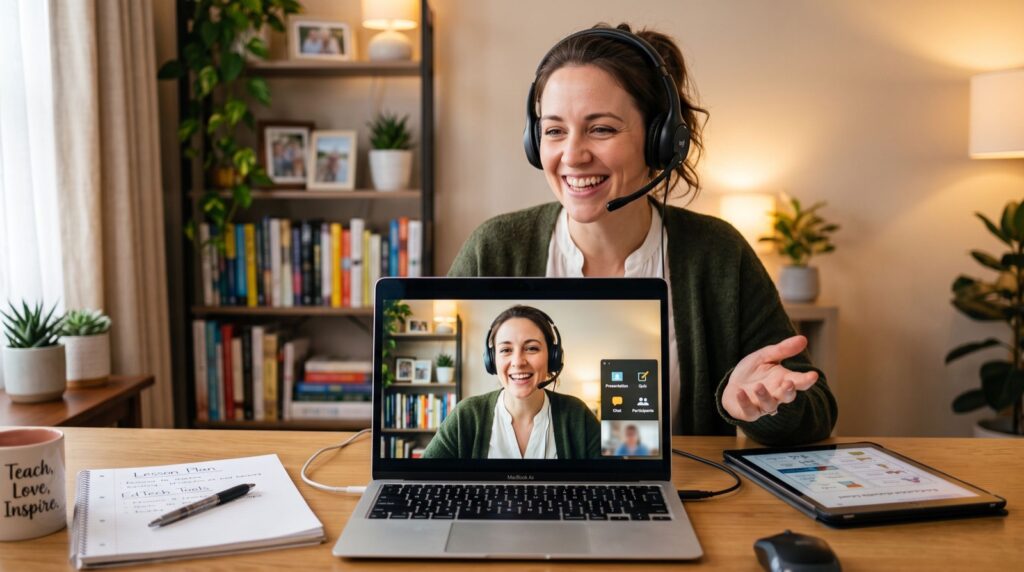
One myth is that young children cannot focus online. In practice, short, interactive sessions with a warm tutor hold attention well, especially when parents help set up a calm space. Another myth is that online tutoring is impersonal. Anyone who has watched a skilled tutor build rapport through a screen — praising effort, cracking a joke, drawing on a shared whiteboard — knows the human connection comes through clearly. A third myth is that technology problems ruin every session. While a stable connection matters, most issues are minor and easily solved, and the flexibility gained far outweighs the occasional hiccup. Judging online tutoring by these myths would mean missing one of the most practical educational tools available today.
Frequently Asked Questions
Is online tutoring as effective as in-person tutoring?
Yes, and often more so. Studies of high-quality tutoring show that consistency, one-on-one attention, and a skilled tutor drive results — all of which online sessions deliver. The lack of a commute also means students arrive fresh and focused.
What subjects work best with online tutoring?
Nearly all of them. Maths, science, languages, coding, business subjects, and exam prep all translate well to a virtual format thanks to screen sharing, interactive whiteboards, and shared documents.
What equipment do I need to start?
A laptop or tablet, a reliable internet connection, headphones, and a quiet space are enough. A webcam helps for language and reading practice where seeing the tutor is useful.
How do I know if an online tutor is qualified?
Choose a platform that verifies credentials, reads reviews from past students, and offers a trial session. A good tutor will explain their teaching approach and set clear goals from day one.
Conclusion
The benefits of online tutoring are real, measurable, and growing every year. Flexible scheduling, access to specialists, personalized pacing, and lower costs make it one of the smartest ways to invest in learning in 2026. Whether you are revising for exams, mastering a new language, or helping your child stay on track, the right online tutor can turn scattered effort into steady, confident progress. Start with a clear goal, choose a trusted platform, and give the process a few focused weeks — the results tend to speak for themselves.