It is easy to think of dog waste as an eyesore and nothing more. Something to be tidied up before guests arrive, but otherwise harmless once it is off to the side. The reality is less pleasant. A single gram of dog stool can carry millions of bacteria along with the eggs of parasites that survive in soil for months, waiting for a paw, a bare foot, or a curious toddler to carry them somewhere new.
This is the part of pet ownership nobody puts on a greeting card, but it matters. If you have children, other pets, or simply a habit of gardening with your hands, the hygiene case for prompt cleanup is far stronger than the cosmetic one. Here is what actually lives in that waste and how a sensible routine protects everyone who uses your yard.
What Really Lives in Dog Waste
Dog stool is a reservoir for organisms that cause illness in both animals and people. Roundworms and hookworms are the most common, and their eggs can persist in the ground long after the waste itself has broken down. Giardia and various strains of bacteria including salmonella and E. coli also travel this way. The waste does not need to be fresh to be a hazard. In many cases the risk actually increases as it decomposes into the soil and the eggs become infective.
This is why the old advice to just let it wash away in the rain is exactly wrong. Rain does not neutralize anything. It spreads the contamination across a wider area and pushes it into the soil where it lingers.
How Contamination Spreads Through a Yard
Once eggs and bacteria are in the ground, ordinary activity moves them around. Mowing aerosolizes particles. Dogs sniff and dig, then track material onto the patio and eventually indoors on their paws. Children play in the grass and touch their faces. Even rinsing the yard with a hose can carry contaminants toward garden beds and walkways.
The chain is short and it runs straight through the spaces your family uses most. Breaking it at the source, by removing waste before it degrades, is dramatically more effective than trying to disinfect the ground afterward.
The People Most at Risk
Young children are the primary concern because they play at ground level and put their hands in their mouths. Roundworm infection in humans is uncommon but serious, and it disproportionately affects kids. Immunocompromised adults face elevated risk too. And of course other dogs in the household can reinfect themselves and each other from a contaminated yard, turning a one-time deworming into a recurring vet bill.
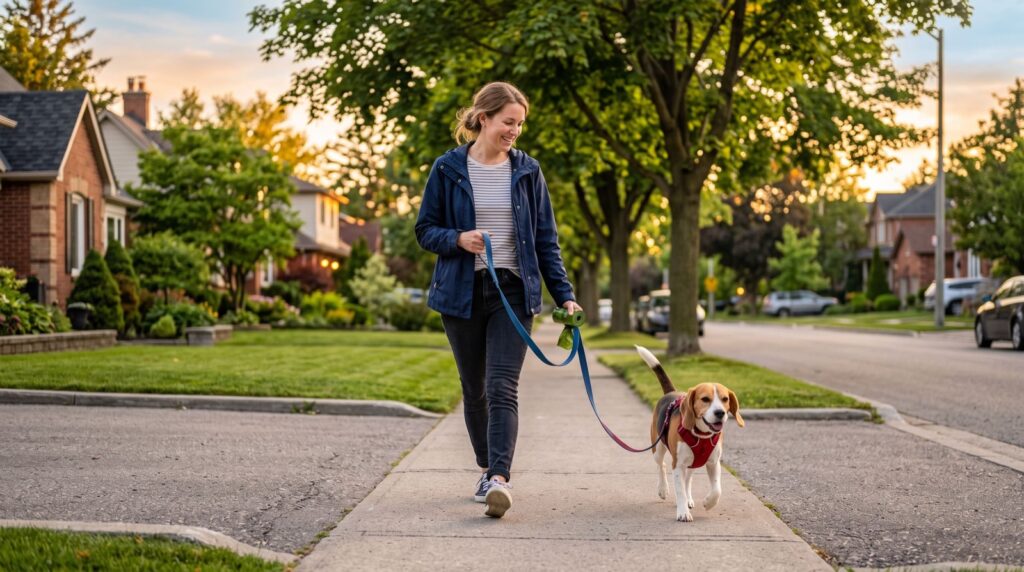
None of this is meant to be alarmist. Millions of families share yards with dogs safely every year. The common thread among them is simple: they clean up consistently and they clean up fast.
Cleanup as Disease Prevention
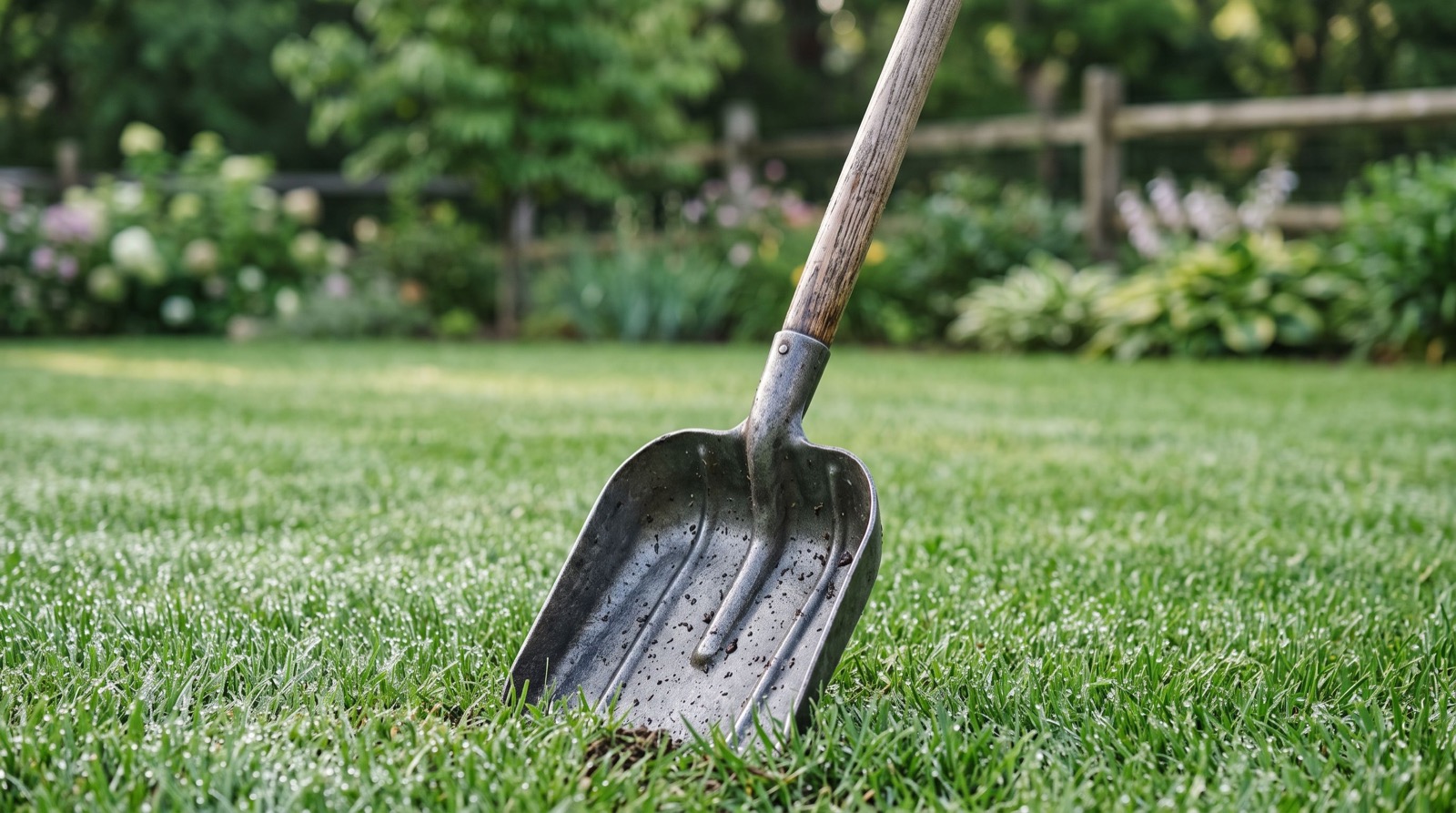
Once you reframe waste removal as a health measure rather than a chore, the standard changes. You stop tolerating a few days of buildup. The right equipment makes that standard achievable without turning your stomach. A quality long-handled tool keeps your hands well away from anything hazardous, and for that reason alone it is worth investing in the Best pooper scooper you can find rather than improvising with a shovel and a bag.
Distance is the whole point. The less contact you have with the material, the lower your own exposure. Good tools put a foot or more between your skin and the waste every single time.
Safe Disposal Without Cross-Contamination
Picking waste up is only half the job. How you contain it decides whether the parasites end up sealed away or leaking into your trash bin and back onto surfaces you touch. Thin bags that split defeat the entire effort. Double-bagging in Heavy duty trash bags keeps everything sealed from the yard to the curb, which is exactly what you want when the contents are biologically active.
Never compost dog waste in a regular garden pile. Home compost rarely reaches the temperature needed to kill roundworm eggs, and you would be spreading the problem straight onto the vegetables you eat. Sealed disposal in the household trash is the safe default.
Keeping Hands and Surfaces Clean
Wash your hands after every cleanup session even if you never touched the waste directly. Handles, gloves, and bin lids all pick up trace contamination. Keep a designated pair of gloves for the task and hose down tools periodically. If you use a scooper, storing it outside rather than in the kitchen or garage near food is a small habit that closes an easy gap.
These steps take seconds and they matter most for the households with the youngest or most vulnerable members.
When a Professional Makes Sense
Some yards need a reset that a busy owner cannot realistically provide. A property that has gone uncleaned through a long winter, a rescue situation with multiple dogs, or a family managing a health condition can all justify bringing in help. There are reliable local experts who provide scheduled sanitation so the parasite load never builds to a dangerous level.
Even a single professional visit to clear a badly contaminated space gives you a clean baseline to maintain. From there, a modest daily routine keeps the risk permanently low.
Key Takeaways
- Dog waste carries roundworms, hookworms, giardia, and bacteria that survive in soil for months.
- Rain spreads contamination rather than removing it, and decomposing waste can become more infective.
- Children and immunocompromised adults face the highest exposure risk from a contaminated yard.
- Long-handled tools and sealed heavy-duty bags minimize your own contact with hazardous material.
- Never home-compost dog waste, and always wash hands after cleanup.
Protecting the Space Your Family Shares
A yard is a shared space, and dog waste turns it into a low-grade health risk whenever cleanup slips. The good news is that the fix costs almost nothing in time once you have the habit and the right gear. Treat pickup as the hygiene task it truly is, seal and dispose of waste properly, and keep your hands and tools clean. Do that and the ground your kids and pets play on stays exactly as safe as it looks.